Recognizing When to Reach Out to a Plumber: Red Flags to Watch For for Property Care
Homeowners often fail to notice minor indicators that signal plumbing issues. Persistent slow drains, dripping faucets, and unexplained water stains may seem trivial, but they can reveal deeper problems. Ignoring these signs can lead to costly repairs and greater water consumption. Understanding when to contact a plumber is essential for maintaining a well-functioning plumbing system. What happens when these issues increase? The consequences might be more severe than one imagines.
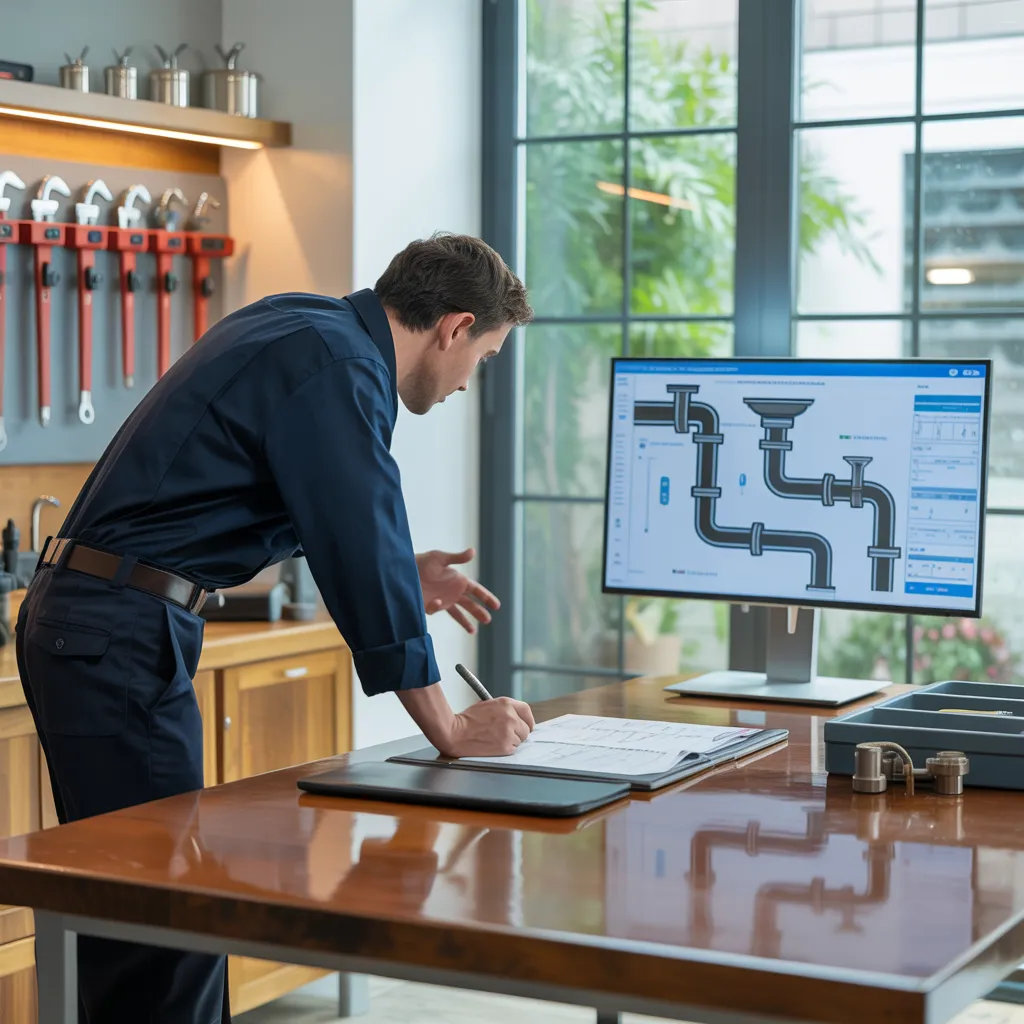
Typical Plumbing Problems You Shouldn't Ignore
When homeowners come across plumbing problems, they often undervalue the risk level of the problems. Common plumbing issues such as slow drains, dripping faucets, and running toilets may seem insignificant initially, but they can lead to substantial problems over time. A slow drain, for instance, can signal buildup in the pipes, which may over time cause a stoppage. Dripping faucets not just dissipate water but can also signal failing components or aging fixtures. Running toilets can lose hundreds of gallons of water monthly, resulting in greater water bills. Ignoring these signs can lead to larger repair jobs and higher expenses. Homeowners should be aware of these typical issues and address them promptly. Consulting a plumbing expert can offer remedies that avoid extra issues, ensuring the lifespan of the plumbing system and the overall integrity of the home.
Warnings of Secret Leaks: Ways to Spot Them
Secret leaks can create a serious danger to a home's plumbing system, often escaping detection until they cause extensive damage. Homeowners should be vigilant for various clues that indicate a undetected leak. One typical indicator is unexpected spikes in billing amounts, which may point to water drainage. Additionally, moist patches on floors, ceilings, or walls can reveal moisture penetration. Mold formation is another vital warning, as it typically grows in wet areas resulting from leaks. It is also vital to search for water pooling in basements or foundation areas, which can suggest a significant leak. Homeowners should listen for the sound of water movement when fixtures are closed, as it can suggest a undetected leak. Finally, shifts in water pressure when in use may also point to underlying plumbing issues. Quick spotting of such indicators can assist avoid expensive fixes and considerable harm.
What That Unpleasant Odor Indicates About Your Plumbing System?
An unpleasant odor coming from your plumbing system can point to multiple problems needing quick action. Often, a foul smell might suggest a blocked drain, where food debris and refuse build up, causing bacterial growth. This not only creates bad smells but may also pose potential health risks.
Another source of bad odors may be a dry trap. If a sink or floor drain hasn't been used for some time, the water in the trap can evaporate, allowing sewer gases to escape into the home. Additionally, a more serious issue could involve a broken sewer line, which can lead to significant structural damage and health risks.
Property owners must not overlook these odors, since they frequently indicate issues that might worsen if not dealt with. Swift action from a qualified plumber can assist in discovering the underlying cause and avoiding additional problems.
Understanding Changes in Water Pressure
What triggers fluctuations in water pressure can often puzzle homeowners, as these alterations can show several plumbing issues.
Frequently changing pressure amounts might suggest deeper system issues, like rusty pipes or lime accumulation. Property owners must observe the uniformity of water movement; if it turns unpredictable, it could be necessary to look deeper.
Furthermore, fluctuations in water pressure can influence devices and fittings, resulting in lower performance or possible injury to components over time. Recognizing these indicators helps property owners tackle emerging concerns promptly, avoiding expensive maintenance and guaranteeing a dependable plumbing setup. If uncertain, speaking with a plumber can offer insight and appropriate remedies.
Peculiar Noises: What Your Pipes Are Saying?
Each of these sounds is a form of communication from the plumbing system, urging homeowners review to investigate further. Ignoring these warnings could result in substantial repairs and bother. Therefore, detecting and addressing these strange noises swiftly can save time, cash, and work in the long term. Homeowners should keep watchful and consider contacting a plumber when these annoying sounds become regular or troublesome.
Spotting Water Damage Early to Avoid Issues
Water damage can often go undetected until it becomes a significant issue. Homeowners should be alert for unexplained water stains, signs of mold growth, and musty odors, as these can indicate underlying problems. Recognizing these indicators early can prevent costly repairs and additional problems.
Unexplained Water Stains
Unexplained water marks on walls and ceilings act as a silent warning of underlying plumbing problems. These stains may display as dark discoloration or discoloration, often indicating leaks from roofing or pipes. Homeowners must remain attentive to the form, dimensions, and placement of these stains, as they can reveal the severity of the problem. If the stains persist or expand, it could indicate a more serious issue that needs expert help. Ignoring these indicators lead to further damage, such as structural damage or higher restoration expenses. Taking prompt action is crucial; contacting a plumber help identify where the leaks are coming from and stop further issues, ensuring the home remains safe and structurally sound.
Mold Development Signs
Unexplained water stains can often lead to greater issues, like mold development. Homeowners should remain vigilant for indicators that mold may be taking hold. Indicators include discolored patches on walls, ceilings, or floors, typically showing in green, black, or white tones. Furthermore, a damp or humid environment may worsen mold proliferation, particularly in areas with poor ventilation, such as basements and bathrooms. Be mindful of peeling wallpaper or paint, as these can signal underlying moisture issues. Residents must also note condensation accumulating on windows or surfaces, which may indicate excessive humidity levels. Addressing these indicators promptly is vital to prevent further damage and guarantee a safe living environment.
Musty Odors Present
Musty odors may act as a telltale indicator of concealed water problems inside a home. When occupants detect these odors, it often indicates moisture buildup in areas like basements, attics, or behind walls. Musty smells may arise from damp materials or mold growth, both of which indicate the need for immediate attention. Overlooking these smells may result in greater structural damage and safety concerns. Homeowners should investigate where the odor is coming from, seeking leaks, water stains, or condensation. Should the issue continue or exceed their knowledge, calling a plumber is essential. Expert help can pinpoint and fix the root cause, ensuring a safe and healthy living environment.
Top Questions
What Typically Costs Are Associated with Hiring a Plumber?
Typically, engaging a plumber falls between $45 and $200 per hour, depending on variables such as location, project difficulty, and the plumber's expertise. Additional fees may accrue for emergency services or specialized work.
Is It Better to Repair Plumbing Problems Myself or Hire a Plumber?
Making the choice whether to handle plumbing concerns yourself or contact a professional depends on complexity. Minor work could be manageable, though serious problems typically require professional experience to avoid more damage and provide protection.
Which 24/7 Plumbing Services Operate 24/7?
24/7 after-hours plumbing work commonly cover leak patching, clogged drain removal, burst pipe restoration, and water heating concerns. Such offerings provide prompt help throughout plumbing emergencies, deterring extra damage and returning functionality promptly.
How Do I Stop Upcoming Plumbing Problems?
To avert drainage issues, consistent care is critical. It includes monitoring for leaks, ensuring proper drainage, avoiding clogs by exercising caution with waste, and arranging periodic checks with professionals to resolve potential problems in advance.
Are There Protections on Plumbing Work?
Many plumber companies provide warranties on services, promising work remain covered for a defined duration. These guarantees provide property owners security, protecting against future future complications pertaining to recent work jobs.